Noah Sullivan · 18 November 2026
Opaline's Journey from Mine to Market in the Era of Blockchain Tracking
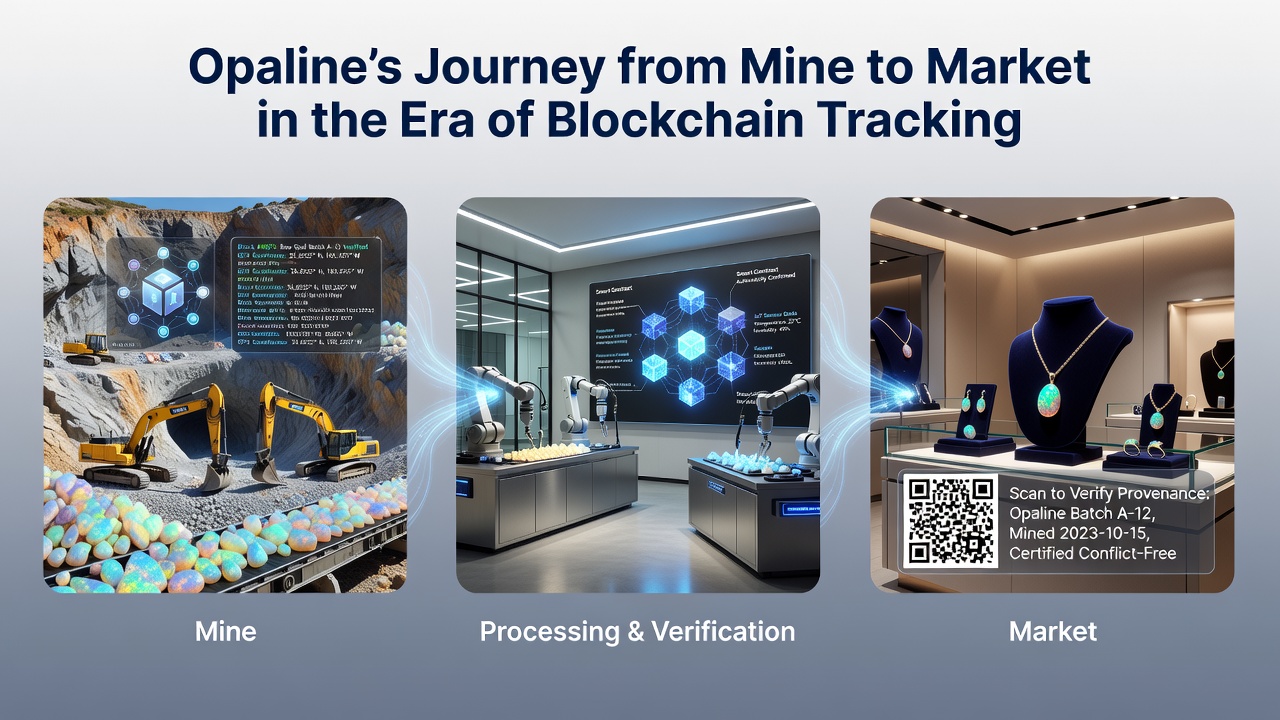
Opals move through a supply chain that begins deep underground and ends in jewelry stores or collector displays, and blockchain systems now record every transfer along that path. Miners extract rough material from deposits in regions such as Australia and Ethiopia, then tag each parcel with a digital identifier that links to a distributed ledger. That identifier carries forward through cutting, polishing, certification, and sale, while timestamps and participant signatures prevent later alterations.
Extraction and Initial Recording
Workers at active sites log extraction dates, location coordinates, and parcel weights into handheld devices that connect directly to the ledger network. Government mining permits attach to the same records, so regulators can verify compliance without physical paperwork. Research from the Australian Department of Industry indicates that digitized permit data reduced administrative delays by 18 percent in the 2025 fiscal year.
Once material leaves the pit, transport companies scan the identifier again and add vehicle details plus route information. The ledger stores these entries in sequence, creating an unbroken chain that later buyers can review. Observers note that this step alone cuts the opportunity for substitution during transit.
Processing, Certification, and Ledger Updates
At lapidary facilities, cutters document yield percentages and stone dimensions before any material changes hands. Independent laboratories then examine finished gems for authenticity markers and enter grading results under the same digital identifier. A 2024 pilot conducted by the Gemological Institute of America showed that linking laboratory reports to blockchain entries reduced grading disputes by nearly one quarter over a twelve-month period.
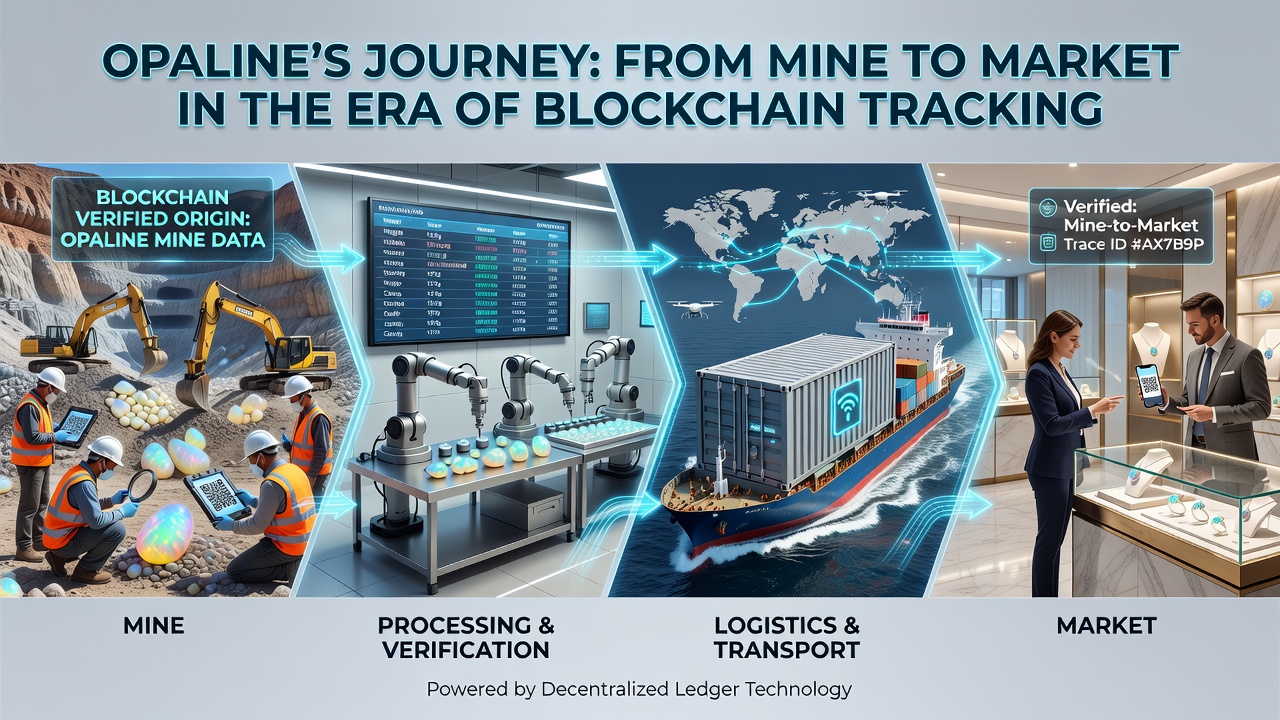
Each new entry includes cryptographic signatures from the facility and the laboratory, so any attempt to insert false data would require consensus across the network. Participants in the system include miners, cutters, certifiers, wholesalers, and retailers, all of whom hold copies of the ledger and validate new blocks according to predefined rules.
Market Access and Consumer Verification
Retail platforms began integrating ledger queries in late 2025, allowing customers to scan a QR code on a finished piece and retrieve the full history. Data from a University of British Columbia supply-chain study released in October 2026 shows that stones carrying verifiable blockchain records commanded an average 12 percent price premium at auction compared with untracked equivalents during the first half of that year.
November 2026 brought an update to the ledger protocol that added optional carbon-footprint fields supplied by transport and processing partners. Early adopters reported that several European wholesalers requested the new fields for compliance with upcoming EU due-diligence rules on mineral imports.
Operational Realities and Network Growth
Network participation requires modest hardware at each node, yet connectivity remains a constraint at remote mine sites. Operators therefore batch-upload entries when they reach areas with reliable internet. Despite that limitation, the number of registered parcels grew from 4,200 in January 2025 to more than 27,000 by September 2026, according to figures published by the Opal Association of Australia.
Smart contracts embedded in the ledger automatically release payment to the previous owner once the next participant confirms receipt and quality. This mechanism shortens settlement times from weeks to hours in many documented transactions.
Conclusion
Blockchain tracking now forms a permanent layer of documentation that accompanies opals from extraction through final sale. The system records physical measurements, ownership transfers, and laboratory results in a format that resists tampering and supports regulatory review. Continued expansion of the network depends on broader adoption by smaller operators and further refinements to offline data capture at remote sites.